













The National Association of Broiler Farmers has intensified its criticism of the Interprofessional Poultry Federation, arguing that the challenges facing the sector go far beyond a temporary imbalance between supply and demand and instead represent a structural crisis threatening the sustainability of poultry farming and the livelihoods of thousands of producers.
The association’s response follows statements from the federation attributing the decline in poultry and egg prices to increased production and weaker consumer demand ahead of Eid al-Adha, resulting in a temporary market surplus.
However, the association maintains that the current situation stems from long-standing structural issues, including governance shortcomings, inadequate oversight mechanisms, and weaknesses in the sector’s regulatory framework.
According to the association, the poultry sector’s development program, initially designed to strengthen the production chain and improve competitiveness, has fallen short of its objectives and contributed to the concentration of economic influence among a limited number of market participants, to the detriment of small and medium-sized producers.
The association also holds the federation partly responsible for the current situation, citing its inability to maintain balance across the value chain and adequately protect farmers from mounting financial losses.
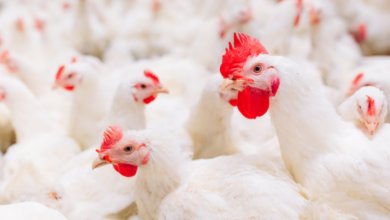
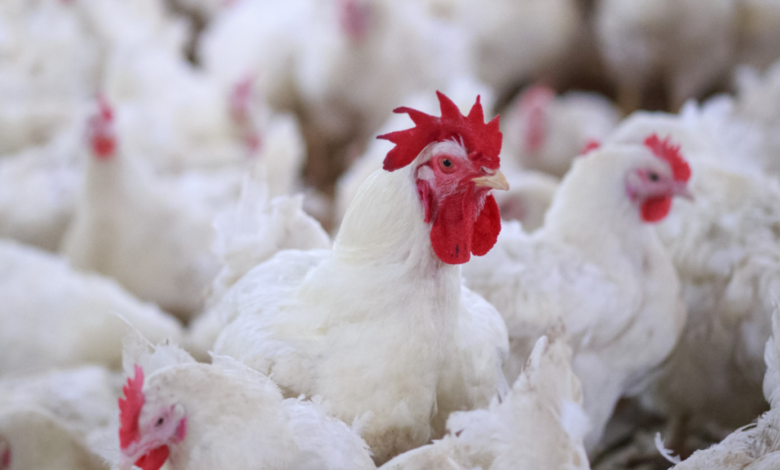
Industry data referenced by the association indicate that weekly chick production has exceeded 15 million birds, while domestic market demand is estimated at around 9 million birds per week. This oversupply has placed significant downward pressure on prices, pushing them below production costs and increasing losses for producers.
In light of these developments, the association has called for an independent and comprehensive investigation into the management of the poultry sector, including the implementation of sector development programs and chick production and marketing mechanisms.
The association further urged authorities to introduce immediate measures to support affected farmers and limit financial losses, emphasizing that the sector’s recovery requires structural reforms, stronger governance, greater transparency, and broader participation by small and medium-sized producers in decision-making processes.