

Romania Steps Up Efforts to Resume Live Sheep Exports to Morocco and International Markets
Bucharest is seeking to accelerate the lifting of EU export restrictions ahead of the December 31 deadline, following an extensive vaccination campaign against sheep pox and peste des petits ruminants (PPR).
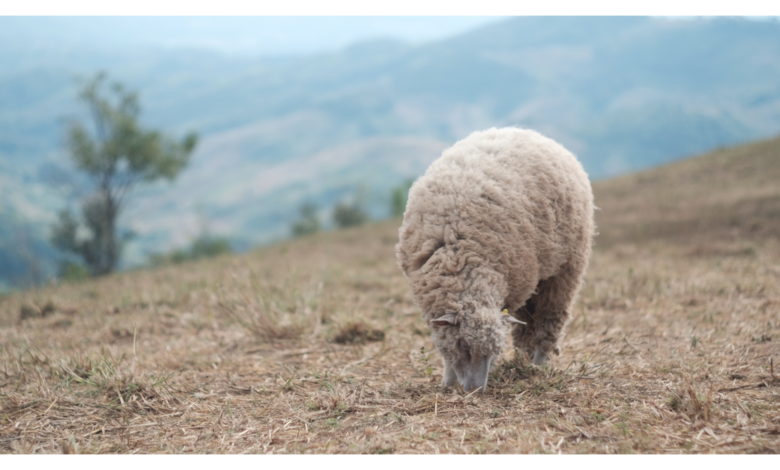
Romania is stepping up its efforts to resume live sheep exports to several international markets, particularly Morocco, Saudi Arabia, Jordan and Algeria, ahead of the official deadline set by the European Commission for December 31. The move follows trade restrictions imposed on Romanian livestock exports due to outbreaks of animal diseases, particularly sheep pox and peste des petits ruminants (PPR).
As part of these efforts, Florin Barbu, Romania’s Minister of Agriculture and Rural Development, held a meeting with the European Commission to discuss the possibility of lifting restrictions on live sheep exports to countries outside the European Union. He stressed the need to accelerate the resumption of trade with traditional markets with which Romania already has commercial contracts and agreements.
According to agricultural news network Agro TV, Barbu emphasized that Romania is not currently seeking the removal of restrictions on livestock trade within the EU. Instead, its priority is to reopen international export markets. He noted that contracts and technical agreements are already in place for supplying sheep to Morocco, Saudi Arabia, Jordan and Algeria, adding that the quality of Romania’s livestock is one of its key competitive advantages in these markets.
Extensive Vaccination Campaign to Contain Disease Outbreaks
These efforts are taking place alongside a large-scale vaccination campaign launched by Romanian authorities to control the epidemiological situation following outbreaks of sheep pox and peste des petits ruminants, particularly in the counties of Tulcea and Constanța. The outbreaks prompted the European Commission to impose restrictions on Romanian livestock exports and extend them until the end of the year.
At the end of October, Romania’s National Sanitary Veterinary and Food Safety Authority (ANSVSA) announced the arrival of the final shipments of vaccines intended to protect the country’s livestock, sourced from the European Union’s strategic reserves.
Alexandru Bociu, President of ANSVSA, confirmed that cooperation between the Romanian government, veterinary authorities and the European Commission had helped accelerate vaccine deliveries, allowing the vaccination campaign to begin earlier than originally scheduled.
He explained that speeding up vaccination efforts is essential to protecting livestock and bringing the country closer to resuming live animal exports to markets outside the European Union.
Under the action plan agreed upon with the European Commission, Romania secured 1.3 million free vaccine doses, distributed through a targeted programme focusing on high-risk areas. The allocation includes one million doses against sheep pox and 300,000 doses against peste des petits ruminants, alongside the implementation of a comprehensive vaccination programme in areas classified as high-risk.
Regaining Traditional Export Markets a Priority for Romania’s Livestock Sector
Romanian authorities are counting on the success of the vaccination campaign and improvements in the country’s animal health situation to create the necessary conditions for resuming exports as soon as possible, potentially even ahead of the established deadline, according to the head of ANSVSA.
The resumption of exports represents a strategic priority for Romania’s sheep industry, given the importance of international markets, particularly in North Africa and the Middle East, in absorbing domestic production. Restoring exports would also support Romanian farmers and exporters while revitalizing trade relations with importing countries.
However, the lifting of restrictions will remain dependent on assessments of the country’s animal health situation and compliance with veterinary requirements established by the European Commission and importing countries, ensuring the safety of livestock and international trade.