












US Gains Access to Ethiopia’s Livestock and Poultry Market, Supporting Sector Modernisation
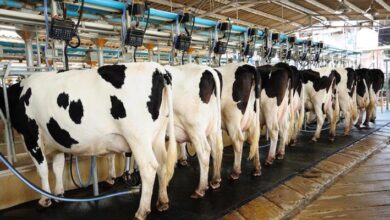
The United States has obtained approval to export live cattle, day-old chicks, and hatching eggs to Ethiopia, marking a significant development in bilateral agricultural trade. The authorization was granted in mid-December 2025 after regulatory authorities from both countries finalized updated veterinary health certificates governing these exports.
This progress follows Washington’s recent commitment to support the development of the $10 billion Bishoftu International Airport near Addis Ababa, representing one of the first major commercial initiatives by the Trump administration in the Horn of Africa. The airport project reflects broader efforts by the United States to deepen economic engagement with Ethiopia.
In addition to livestock and poultry products, the agreement allows US exporters to access the Ethiopian market with bovine semen and embryos, creating new opportunities to introduce advanced genetics and reproductive technologies. These inputs are expected to support Ethiopia’s long-term objective of improving livestock productivity and efficiency.
Trade between the two countries currently includes Ethiopian exports of coffee, textiles, and garments to the United States, while US exports to Ethiopia consist mainly of aircraft, machinery, spare parts, and wheat under long-standing bilateral trade arrangements. Although Ethiopia’s preferential access to the US market under the African Growth and Opportunity Act was suspended in 2022, economic ties between the two nations remain active.
Ethiopia possesses one of Africa’s largest livestock populations, including tens of millions of cattle, sheep, goats, camels, and poultry, with the sector accounting for nearly half of agricultural GDP. However, production levels remain below potential due to limited access to improved genetics, insufficient feed resources, gaps in veterinary services, and underdeveloped processing and biosecurity systems.
To address these challenges, Ethiopian authorities are prioritizing a shift from traditional extensive production to more intensive, commercially oriented livestock systems. Government strategies aim to expand the use of high-yield breeds, strengthen feed supply chains, and improve farm management practices.
The dairy sector, guided by the National Dairy Development Strategy (2022–2031), seeks to significantly increase milk output through improved genetics and modern production models. Meanwhile, beef and poultry production are expected to grow steadily, driven by rising domestic demand, urbanization, and policies supporting sector modernization.
According to the US Department of Agriculture, overcoming structural constraints—particularly through access to superior genetics, stronger support services, and improved market infrastructure—will be essential for unlocking Ethiopia’s full livestock and poultry potential.