










 By Valerie Daher, Product Manager, UTRIX S.A.L.
Recognizing the complementary strengths of tributyrin and essential oils, UTRIX developed BactiCid®NG, a next-generation feed additive designed to optimize gut health and performance in poultry. This feed innovation offers poultry producers a reliable path toward sustainable, antibiotic-free production.
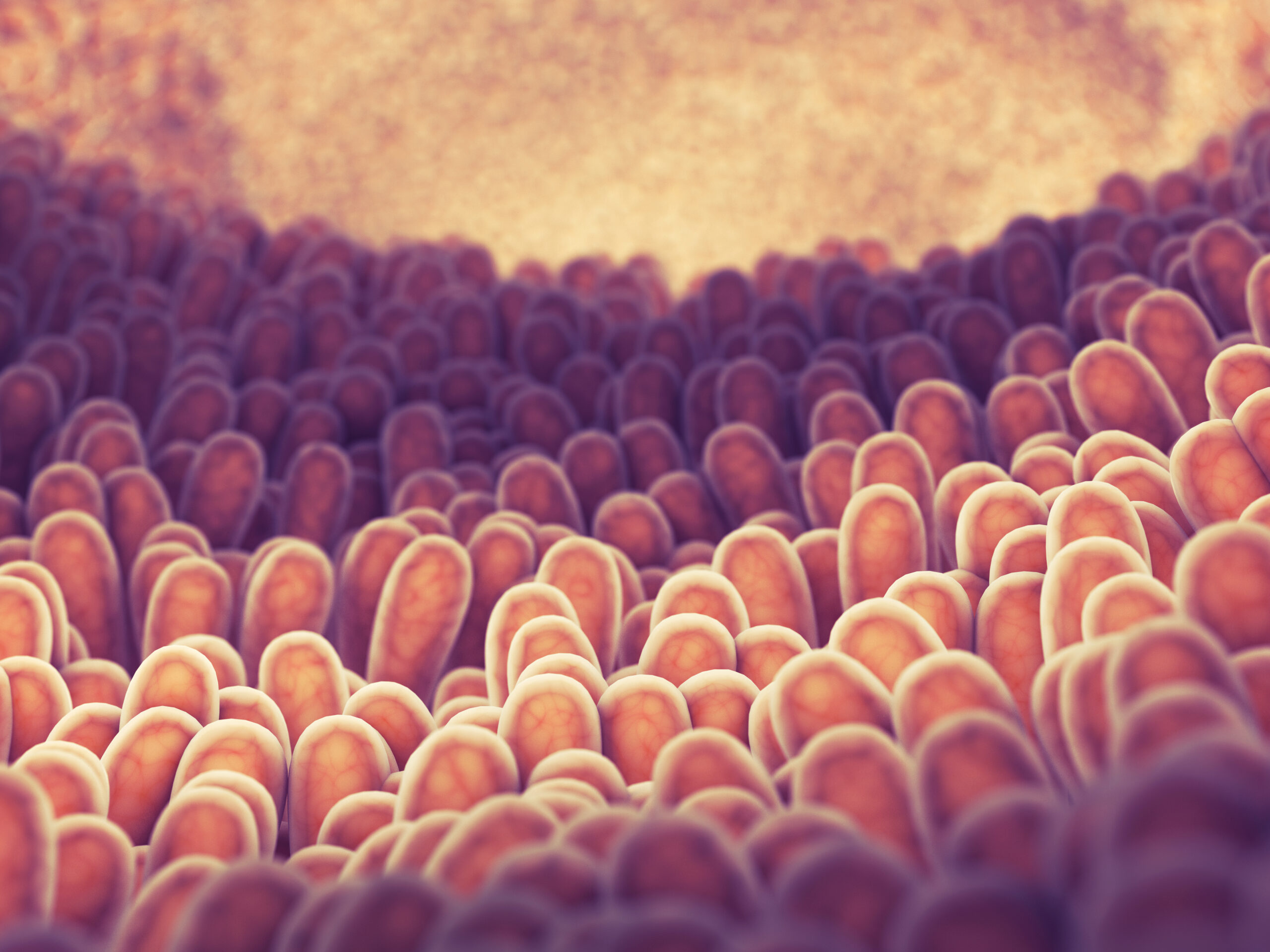 A balanced and functional GIT is critical for optimal nutrient absorption, help fight pathogens, and achieving optimal bird performance and profitability. Photo: Shutterstock
In today’s rapidly evolving poultry industry, gut health is regarded as the cornerstone of productivity, welfare, and sustainability. The gastrointestinal tract (GIT) not only governs nutrient digestion and absorption, but also plays a central role in immune function and disease prevention. For producers, ensuring that birds maintain a balanced and functional GIT is critical to achieving optimal performance and profitability. However, the transition away from antibiotic growth promoters (AGPs) has made this task increasingly complex, especially in the Middle East.
Common responsibility to reduce AMR
For decades, AGPs were widely adopted to improve growth performance and to mask deficiencies in management practices. They reduced the incidence of intestinal diseases such as necrotic enteritis, which remains the most challenging disorder in poultry raised without antibiotics (Whitling & Seiler, 2015). Yet, their continued use has been strongly associated with the rise of antimicrobial resistance (AMR). Resistant bacteria originating in animals can transfer to humans via direct contact, contaminated feed and water, or the food chain, posing a global health crisis (World Health Organization, 2023). The scale of the threat is alarming. In recent years, bacterial antimicrobial resistance was directly responsible for hundreds of thousands of deaths, and projections warn that if no action is taken, AMR could lead to 10 million deaths annually by 2050 (Antimicrobial Resistance Collaborators, 2022; O’Neill, 2016). Regional reports highlight the urgency; in Lebanon, Daoud (2018) documented the burden of resistant pathogens, underscoring that the issue is not confined to developed nations but is global in scope.
The power of natural feed additives
As a result of AMR threats, governments, consumers, and producers alike are driving a decisive reduction in AGP use. This shift necessitates reliable, science-based alternatives able to safeguard gut health, while improving performance and ensuring food safety. Natural alternative to antibiotics have proven its efficacy in delivering optimal birds’ performance without increasing the risk of antimicrobial resistance. Among the most promising solutions are tributyrin and essential oils, two categories of feed additives that deliver multifaceted benefits when properly formulated and protected.
Tributyrin: An effective way to deliver butyric acid
Tributyrin, a triglyceride form of butyric acid, has an unique structure that ensures slow and sustained release of butyric acid throughout the intestine. This feature avoids premature degradation in the upper GIT, while also preventing issues such as sodium overload linked to sodium butyrate supplementation. Butyric acid has long been recognized for its role in intestinal development and health. However, its effective delivery in poultry production has been limited by the instability and poor palatability of butyrate salts. This issue is tackled by supplying it in the form of tributyrin.
The benefits of tributyrin are supported by extensive research:
- Improved gut morphology: Tributyrin significantly increases villus height (VH) and the villus height-to-crypt ratio (VH:CD), expanding the absorptive surface area and improving nutrient uptake. Broilers fed tributyrin demonstrated superior gut development compared with control groups (Dhara et al., 2019; Yildiz, 2022).
- Enhanced performance: Hu, Yin, and Yang (2021) reported improved feed conversion ratio (FCR) and average daily gain (ADG) in broilers supplemented with tributyrin. The improvements translated into better profitability and efficiency at the farm level.
- Increased digestive enzyme activity: In laying hens, tributyrin was shown to enhance the activity of key pancreatic enzymes – trypsin, lipase, and amylase – supporting nutrient digestion, feed efficiency, and egg production (Miao et al., 2021).
In addition to these physiological benefits, tributyrin is highly stable, odorless, and more palatable than butyrate salts, ensuring consistent intake. Its proven impact on both gut health and overall productivity makes it a cornerstone of antibiotic-free poultry production.
Essential oils: Natural microbiota regulators
Essential oils (EOs) are a class of natural compounds that have gained widespread attention for their broad biological activities. In poultry, EOs provide antimicrobial, anti-inflammatory, antioxidant, and antiparasitic effects, making them valuable tools for intestinal health management (Abd El-Hack et al., 2022; Adaszyńska-Skwirzyńska & Szczerbińska, 2017).
Their benefits can be summarized as follows:
- Antimicrobial action: EOs effectively inhibit the growth of both Gram-positive and Gram-negative pathogens, including Escherichia coli, Salmonella Typhimurium, and Clostridium perfringens, all of which are implicated in poultry enteric diseases (Su et al., 2021).
- Immunomodulation and anti-inflammatory effects: By reducing intestinal inflammation, EOs support immune function and improve nutrient absorption efficiency (Shiekh et al., 2024).
- Antioxidant and antiparasitic properties: EOs neutralize free radicals and contribute to coccidiosis control, enhancing bird welfare (Arif et al., 2024; Yang et al., 2021).
Among the wide variety of EOs studied, carvacrol, thymol, and cinnamaldehyde are particularly noteworthy. These molecules exhibit strong antibacterial activity, selectively targeting harmful bacteria while sparing beneficial Lactobacilli. Their synergistic action improves pathogen control, while research has also shown benefits for egg quality, with reductions in dirty egg rates and improvements in shell strength in layers (Wang et al., 2022). Despite their promise, a significant limitation of EOs is their instability. In vivo, 70-90% of EO molecules degrade or are absorbed before reaching the intestine, dramatically reducing their effectiveness. This highlights the necessity of advanced encapsulation technologies to protect EO molecules and ensure their targeted release.

Caption: In poultry, essential oils provide antimicrobial, anti-inflammatory, antioxidant, and antiparasitic effects. In combination with tributyrin, it creates a powerful solution to improve gut health. Photo: Freepik
BactiCid®NG: Harnessing synergy through innovation
Recognizing the complementary strengths of tributyrin and essential oils, UTRIX developed BactiCid®NG, a next-generation feed additive designed to optimize gut health and performance in poultry. BactiCid®NG leverages a unique blend of tributyrin with the essential oils carvacrol, thymol, and cinnamaldehyde. It comes in a powder, antibiotic-free premixture and has a recommended inclusion rate of 0.5 – 1.0 kg/T of feed (with higher dosages recommended for starter diets).
The synergy between the components in BactiCid®NG amplifies their individual effects:
- Essential oils increase bacterial membrane permeability, allowing tributyrin to penetrate and exert its effects more efficiently inside pathogenic cells.
- Essential oils provide broad-spectrum antimicrobial, antioxidant, and anti-inflammatory support, maintaining microbial balance and reducing intestinal stress.
- Tributyrin enhances intestinal morphology and enzyme activity, maximizing nutrient absorption and performance outcomes.
Advantages through microencapsulation technology
The distinguishing feature of BactiCid®NG lies in its UtriCAPS microencapsulation technology. Developed through years of research, this technology delivers several critical advantages:
- Targeted release: Active ingredients are protected from gastric degradation and released gradually in the intestine, where they are most effective.
- Enhanced stability: UtriCAPS maintains structural integrity under pelleting, extrusion, and storage conditions.
- Homogeneity and palatability: The technology ensures a uniform pearl-like texture with a soft odor, improving feed handling and animal acceptance.
BactiCid®NG, is based on robust science and is build for practical application. UTRIX trials demonstrated the superiority of its microencapsulation technology over competitor technologies. Whereas competing products released up to 90% of their active ingredients during gastric digestion, the product delivered controlled intestinal release, ensuring efficacy where it matters most (UTRIX Trials, 2023-2024).
Route to sustainable, antibiotic-free production
The global reduction of AGPs represents a major turning point in animal production. While it poses challenges in maintaining gut health and controlling enteric diseases, it also creates opportunities for innovative, science-driven solutions. Tributyrin and essential oils have individually demonstrated strong benefits for intestinal morphology, microbial regulation, and performance. However, without appropriate protection and targeted delivery, their potential is significantly diminished. BactiCid®NG, powered by UtriCAPS technology, addresses these limitations by ensuring controlled release, stability, and synergistic action. By bridging the gap between technical efficacy, economic viability, and societal expectations, BactiCid®NG, offers poultry producers a reliable path toward sustainable, antibiotic-free production. In doing so, it contributes not only to farm profitability but also to global efforts in safeguarding public health against antimicrobial resistance.
References are available on request.