












Mutated Avian Influenza Threatens Egypt’s Poultry… Decisive Government Measures
The State Adopts a Preemptive Strike Strategy to Prevent the Virus from Entering
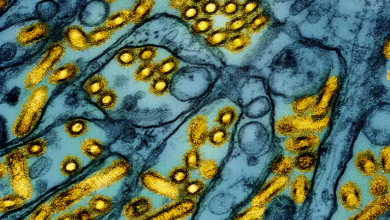
The Egyptian government has settled the controversy surrounding reports of the spread of mutated avian influenza strains in some Egyptian farms.
Today, Friday, the Media Center of the Cabinet issued a detailed statement in coordination with the Ministry of Agriculture, firmly confirming that no cases of avian influenza have been detected in any farms nationwide. It emphasized that the health status of poultry is “fully reassuring” and that the state is implementing a “preemptive strike” strategy to prevent the virus from entering the country.
Intensified Campaigns on Three Main Axes
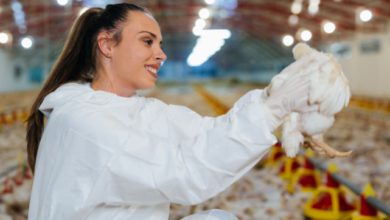
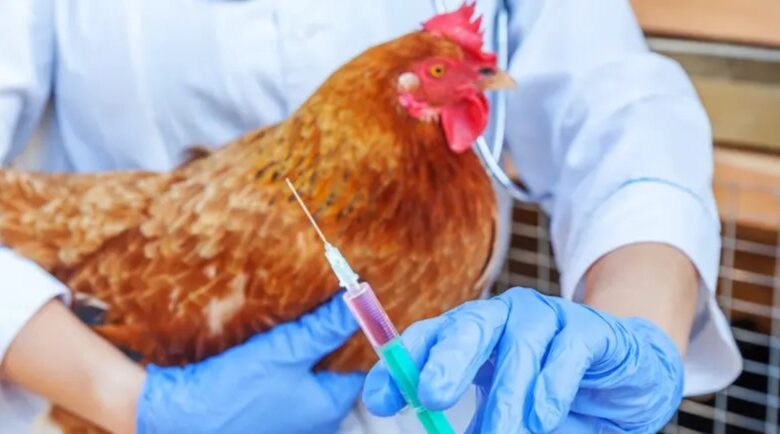
The statement stressed that surveillance and investigation committees continue to work without interruption, intensifying their efforts across three main areas: regular monitoring of all production facilities and points of sale; close surveillance of migratory bird routes as a precautionary measure; and periodic sampling and analysis at the Animal Health Research Institute to ensure they are free of any epidemic strains.
Regarding questions about fluctuations in poultry prices, the ministry denied any link between prices and the health status of poultry, explaining that the current slight increase is due to successive social and religious seasons that raise consumption and demand.
The statement revealed that current poultry prices are about 20% lower than during the same period last year, ruling out any production crisis. It also noted a noticeable increase in Egypt’s poultry and poultry product exports to foreign markets, further confirming the absence of any recorded disease issues within the country.
In the same context, the Ministry of Agriculture explained that the number of isolated poultry facilities is increasing in line with World Organization for Animal Health (WOAH) standards, reflecting the stability of the health situation in Egyptian farms. It also pointed to a 14% increase in poultry and table egg production compared to the previous year.