








𝐌𝐢𝐧𝐢𝐬𝐭𝐫𝐲 𝐨𝐟 𝐄𝐧𝐯𝐢𝐫𝐨𝐧𝐦𝐞𝐧𝐭 𝐓𝐚𝐤𝐞𝐬 𝐎𝐯𝐞𝐫 𝐭𝐡𝐞 𝐑𝐞𝐠𝐢𝐨𝐧𝐚𝐥 𝐂𝐞𝐧𝐭𝐞𝐫 𝐟𝐨𝐫 𝐒𝐮𝐬𝐭𝐚𝐢𝐧𝐚𝐛𝐥𝐞 𝐅𝐢𝐬𝐡𝐞𝐫𝐢𝐞𝐬 𝐃𝐞𝐯𝐞𝐥𝐨𝐩𝐦𝐞𝐧𝐭
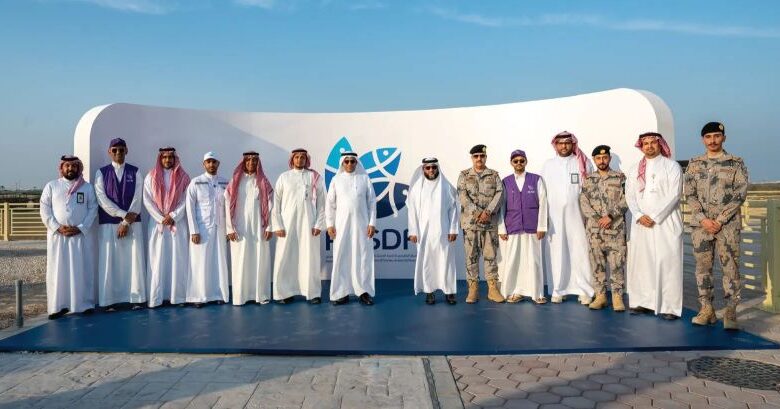
The Ministry of Environment, Water and Agriculture announced that it has taken over the Regional Center for Sustainable Development of Fisheries – Arabian Gulf Branch – from Saudi Aramco. This move represents a strategic step aimed at enhancing local fish production and developing the fisheries sector in the Kingdom, in alignment with Saudi Vision 2030 to empower the sector and strengthen the food security system.
The Ministry stated that it will oversee the operation of the regional center and ensure its operational readiness, in cooperation with the relevant authorities to achieve its objectives.
The Ministry further explained that this initiative comes as part of its ongoing efforts, represented by the National Program for the Development of the Livestock and Fisheries Sector, to promote marine sustainability and improve the efficiency of aquaculture systems using the latest technologies and scientific standards. It also highlighted that the regional center has launched a qualitative initiative involving the release of 100,000 juvenile Sobaiti fish into the waters of the Arabian Gulf in several batches, reaffirming the Kingdom’s commitment to protecting the marine environment and developing its natural resources.
The Ministry noted that this project is considered one of the strategic initiatives that contribute to enhancing fish stocks in the Arabian Gulf, preserving biodiversity, and supporting the sustainability of local fisheries. It also contributes to strengthening food security, reducing reliance on imports, and improving the efficiency of the fishing sector, which positively reflects on fishermen’s income and the economies of coastal regions.
The project has an annual production capacity of 10 million marine fish larvae, and its facilities cover an area of 243,000 square meters. It also includes a mangrove lagoon spanning 300,000 square meters to support ecological balance. Furthermore, the project’s future plans include the production of selected fish species, along with parallel programs to develop marine ecosystems, such as aquaculture, coral reefs, seagrass, and mangrove plantations.